 (Image via
Choosing a vehicle later in life often involves different priorities than it did years earlier. Comfort, visibility, ease of entry, and overall driving confidence tend to matter more than horsepower or cutting-edge features. For many older drivers, SUVs have become an appealing option because they balance ride height, interior space, and practicality. Still, not every SUV is equally suitable, and understanding what makes an SUV senior-friendly helps narrow the field without pressure to buy or compare specific models.
Discussions around the best SUV for seniors, the most comfortable SUV for seniors, or even AARP best SUV for seniors often reflect a desire for clarity rather than rankings. Seniors and their families are usually looking for guidance on what features support daily driving, comfort, and long-term usability. By focusing on design principles instead of brand names, it becomes easier to understand which types of SUVs may be a good fit.
Why SUVs Are Popular With Senior Drivers
SUVs offer several characteristics that appeal to seniors. A slightly higher seating position compared to sedans can make getting in and out easier, while still avoiding the climb associated with very tall vehicles. The upright driving posture common in SUVs can also support better visibility, which many older drivers value.
In addition, SUVs often provide:
- Wider door openings
- More headroom
- Flexible cargo space for groceries, mobility aids, or travel
These practical advantages help explain why an SUV for seniors is often considered alongside sedans or smaller crossovers when evaluating vehicle options.
What “Best SUV for Seniors” Usually Means
When people search for the best SUV for seniors, they are rarely looking for a single universally perfect vehicle. Instead, the phrase usually reflects a set of shared priorities. Comfort, ease of use, safety features, and manageable size tend to rank higher than performance or styling.
In this context, “best” often refers to:
- Comfortable seating with good support
- Easy-to-read controls and displays
- Smooth ride quality
- Predictable handling
Understanding these underlying criteria makes it easier to interpret articles, reviews, or discussions that use the phrase without assuming there is one correct answer.
Comfort as a Primary Consideration
Comfort plays a central role when evaluating SUVs for seniors. This includes more than just seat cushioning. Ride quality, cabin noise, and ergonomics all contribute to how comfortable a vehicle feels during daily use.
The most comfortable SUV for seniors is often one that minimizes strain. Seats that are positioned at a natural height reduce the need to crouch or climb. Clear sightlines reduce neck movement, and simple climate and audio controls limit distraction.
Comfort also relates to how a vehicle feels after extended driving. Smooth suspension tuning and supportive seating can make a noticeable difference, especially for drivers who experience joint stiffness or back discomfort.
Compact and Small SUVs: Why Size Matters
Not all seniors prefer large vehicles. In fact, many find that compact or small SUVs strike a better balance between space and maneuverability. The best compact SUV for seniors is often one that feels easy to handle in parking lots, urban streets, and residential areas.
Smaller SUVs typically offer:
- Easier parking and tighter turning radius
- Lower step-in height compared to larger SUVs
- Less visual bulk, which can reduce driving stress
A small SUV for seniors can provide enough interior room for daily needs without feeling oversized or intimidating. This size category is especially appealing to those transitioning from a sedan but wanting the benefits of an SUV.
Ease of Entry and Exit
One of the most frequently discussed aspects of SUVs for seniors is how easy it is to get in and out of the vehicle. Entry height that is too low can strain knees and hips, while entry height that is too high may require stepping up.
Senior-friendly SUVs tend to have:
- Seat heights close to standing height
- Wide door openings
- Minimal need to twist or bend when sitting down
These features are often more important than engine specifications or advanced technology when evaluating daily usability.
Visibility and Driving Confidence
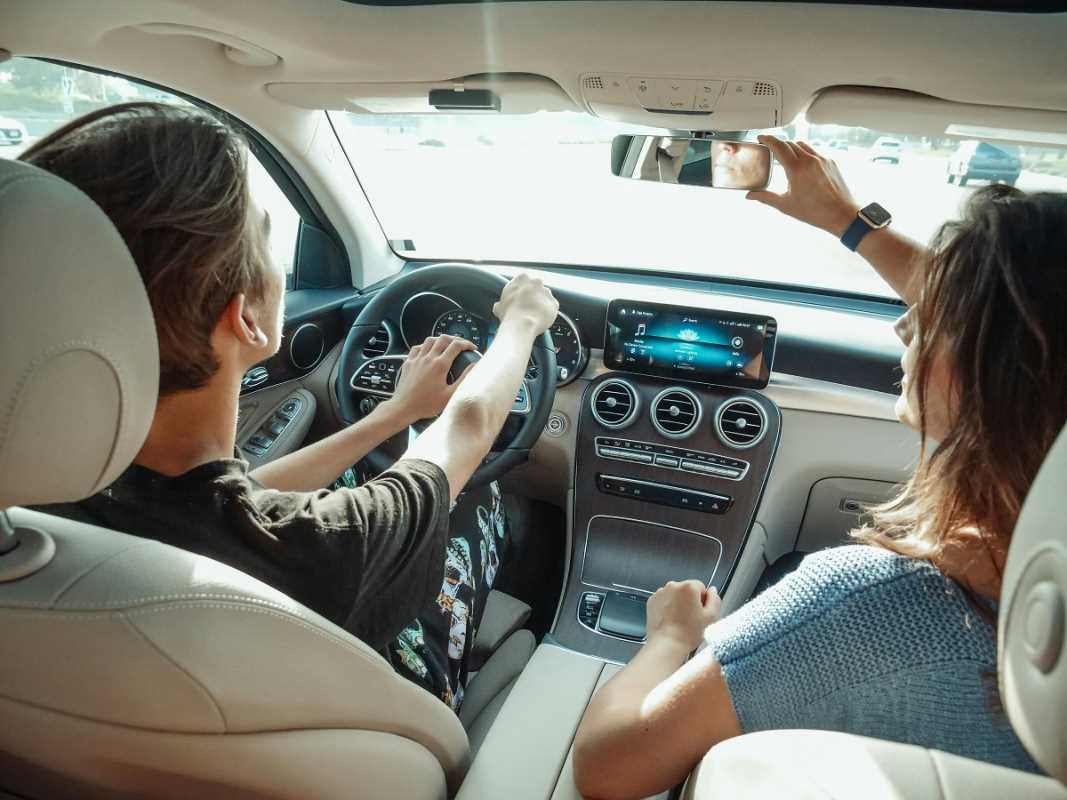
Clear visibility supports confidence behind the wheel. Many seniors prioritize vehicles that offer a commanding view of the road without excessive blind spots. SUVs, by design, often provide better outward visibility than lower-profile vehicles.
Large windows, upright seating, and intuitive mirror placement can reduce head and neck movement. This contributes to a calmer driving experience, especially in traffic or unfamiliar areas.
Driving confidence also comes from predictability. Vehicles that respond smoothly to steering and braking inputs help seniors feel more in control, which is an important but sometimes overlooked factor.
Examples of SUVs Frequently Mentioned for Senior-Friendly Features
Here are a few SUVs that many reviewers and senior-friendly vehicle guides highlight for comfort, ease of use, and practical design:
1. Honda CR-V
Widely cited for its comfortable ride, straightforward controls, and easy entry/exit, the Honda CR-V is often recommended for older drivers who want a smooth, manageable SUV experience with good visibility and interior space.
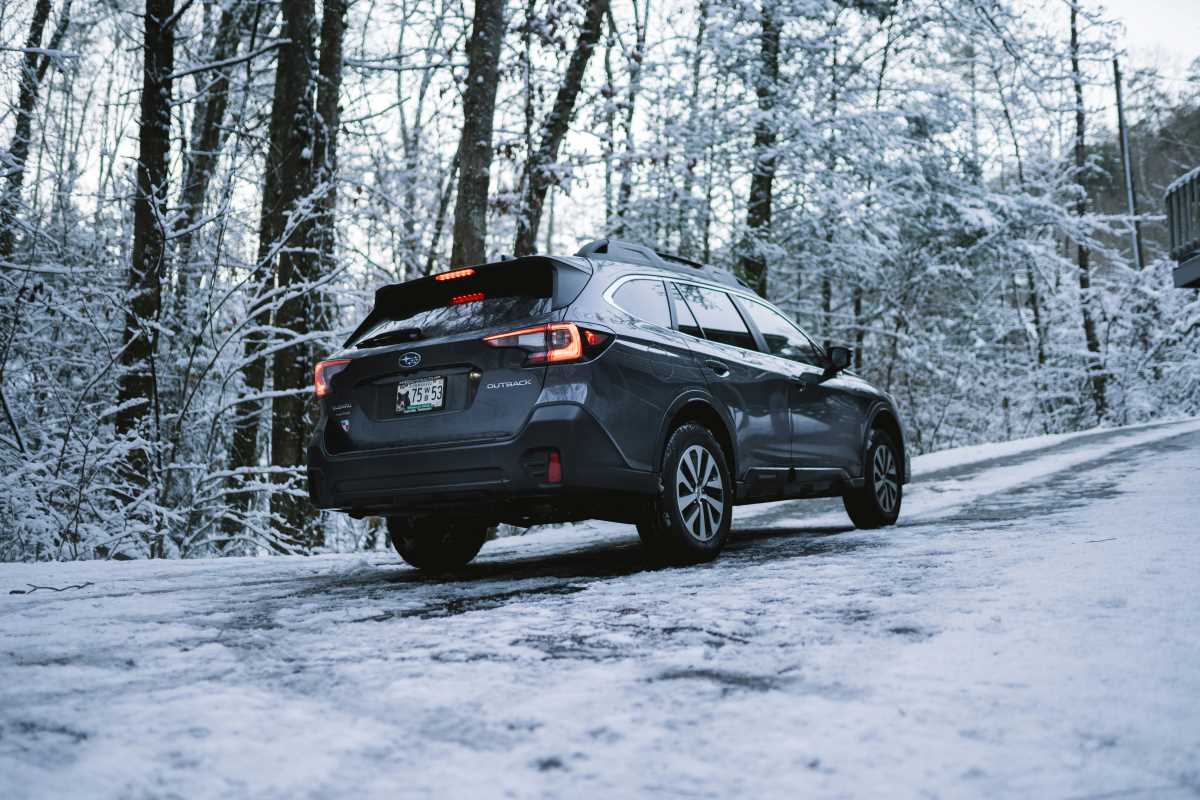
2. Subaru Forester
The Subaru Forester is noted for its excellent visibility, stable ride, and roomy cabin—features that can make daily driving less physically demanding. Its practical design helps with ingress and egress as well.
3. Toyota RAV4
Reliable, with good safety and visibility, the Toyota RAV4 combines familiar ergonomics with a comfortable ride height that many seniors find easier to manage than a low sedan or very tall truck.
4. Volkswagen Taos
As a smaller SUV, the Volkswagen Taos often appears on lists of senior-friendly vehicles for its wide door openings, compact size, and good outward visibility—attributes that support easier entry and parking.
5. Mazda CX-5
The Mazda CX-5 is frequently recognized for ride comfort and a quiet cabin. It combines manageable size with supportive seating and smooth handling, which many older drivers appreciate
How AARP Is Often Referenced in Senior Vehicle Discussions
Searches for AARP best SUV for seniors usually reflect trust in AARP as an organization that advocates for older adults. When AARP discusses vehicles, the focus is typically on safety, accessibility, and real-world usability rather than performance or luxury.
While AARP does not represent personal preference for every senior, its approach highlights the same themes many older drivers care about: comfort, safety features, and ease of operation. Understanding this context helps explain why AARP is frequently referenced in discussions about senior-friendly vehicles.
Technology: Helpful vs. Overwhelming
Modern SUVs often include a wide range of technology features. For seniors, the value of these features depends on how intuitive they are. Simple, clearly labeled controls tend to be more helpful than complex touchscreen menus.
Helpful technology often includes:
- Clear backup cameras
- Easy-to-adjust driver settings
- Straightforward navigation and audio systems
Overly complicated systems can become a source of frustration, making simplicity an important consideration when evaluating SUVs for seniors.
Long-Term Practicality
When choosing an SUV later in life, long-term comfort and adaptability matter. Physical needs can change over time, so vehicles that remain easy to use years down the road offer added peace of mind.
Practical considerations often include:
- Ongoing comfort
- Ease of loading and unloading cargo
- Minimal physical strain during daily use
Rather than focusing on short-term appeal, many seniors look for vehicles that support independence and comfort over the long run.
Making Sense of the Options
SUVs for seniors come in many shapes and sizes, and no single model fits everyone’s needs. Whether considering a compact SUV, a small SUV, or simply trying to understand what makes an SUV comfortable and accessible, the most useful approach starts with information rather than rankings.
By focusing on comfort, size, visibility, and ease of use, it becomes easier to interpret conversations around the best SUV for seniors or the most comfortable SUV for seniors without feeling pressured to choose immediately. A clear understanding of priorities helps ensure that any future decisions are based on fit and practicality, not marketing language.