Across many cultures and generations, chicken noodle soup has been associated with rest, recovery, and care—especially during times of illness. When someone is feeling under the weather, it’s common to hear suggestions to have a warm bowl of soup, slow down, and focus on simple nourishment. The connection between chicken noodle soup and sickness is less about cure and more about comfort, routine, and ease. Warmth, familiarity, and gentle flavors all contribute to why this dish remains a go-to choice when energy is low and appetites are modest.
Understanding why chicken noodle soup is so often chosen as a get-well food helps explain its enduring place in households and grocery stores alike. From homemade traditions to ready-to-serve options, the role of chicken noodle soup during sickness reflects cultural habits, practical needs, and the human desire for soothing foods during uncomfortable moments.
The Get-Well Tradition Behind Chicken Noodle Soup
The idea of “get well” chicken noodle soup is rooted in caregiving rather than science. For decades, families have prepared or shared soup as a gesture of support—something warm, easy to eat, and familiar. The dish requires little chewing, can be consumed slowly, and is often tolerated even when appetite is limited.
This tradition persists because it fits the needs of someone who is resting. Chicken noodle soup doesn’t demand effort, planning, or complex preparation from the person who is sick. Instead, it represents care provided by others, whether that means a home-cooked pot or a simple bowl heated and delivered.
Chicken Noodle Soup When Sick: Why It’s Commonly Chosen
When people feel ill, their preferences often shift toward foods that are mild and predictable. Chicken noodle soup meets those expectations. Its broth is warm, the ingredients are recognizable, and the overall experience is gentle.
Common reasons people turn to chicken noodle soup when sick include:
- Warmth, which many find soothing
- Soft textures that are easy to eat
- A light, savory flavor profile
- Familiarity that feels reassuring
Rather than being about treatment, chicken noodle soup for sickness is about reducing friction—making nourishment feel manageable during a time when energy and focus are limited.
Comforting Chicken Noodle Soup and Emotional Association
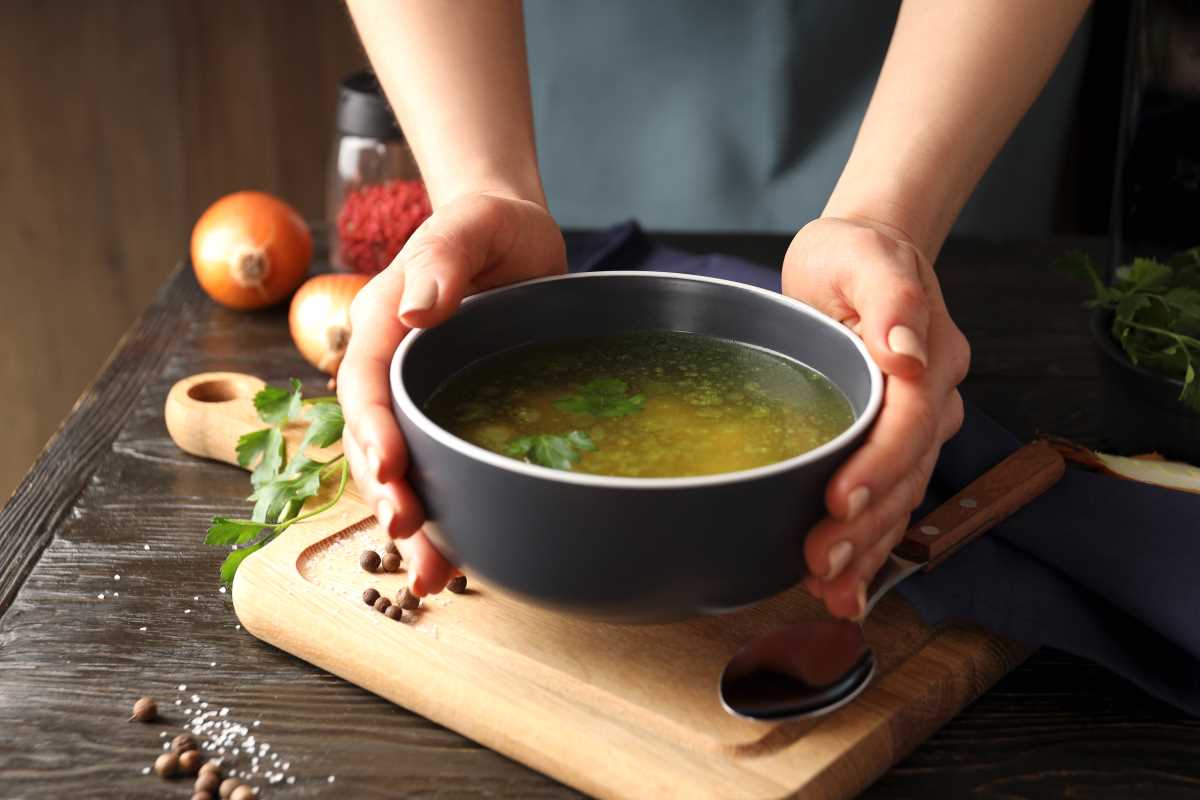
Comfort foods are deeply personal, but chicken noodle soup occupies a unique place because it is widely shared across cultures and age groups. The smell of simmering broth, the sight of steam rising from a bowl, and the rhythm of sipping something warm all contribute to its comforting reputation.
Comforting chicken noodle soup often evokes memories of care, rest, and slowing down. These emotional associations matter, especially when someone is feeling vulnerable or fatigued. Comfort, in this sense, is not about indulgence but about familiarity and predictability.
The “Healing” Reputation of Chicken Noodle Soup
Chicken noodle soup is often described as “healing,” though this term is usually symbolic rather than medical. The healing reputation comes from how the soup fits into rest and recovery routines rather than from claims of curing illness.
People associate chicken noodle soup with healing because:
- It is part of a rest-focused routine
- It supports hydration through broth
- It encourages slow, mindful eating
- It signals care from others
Understanding this reputation helps separate cultural meaning from medical expectation. The soup’s role is supportive and comforting, not curative.
Chicken Noodle Soup for Sickness in Daily Routines
When sickness disrupts normal routines, simplicity becomes important. Chicken noodle soup fits easily into altered schedules. It can be eaten at any time of day, reheated without much effort, and consumed in small amounts.
Many people keep chicken noodle soup on hand specifically for these moments. Whether homemade and frozen or purchased ready-made, having soup available reduces decision-making when someone isn’t feeling well.
This practical role explains why chicken noodle soup remains a consistent presence in kitchens and care routines.
Grocery Store Chicken Noodle Soup: Why It’s a Staple
Chicken noodle soup is one of the most recognizable items in grocery stores, often available in multiple forms and formats. Its presence reflects steady demand rather than trend-driven popularity.
Grocery store chicken noodle soup appeals to people because it:
- Requires minimal preparation
- Stores well for future use
- Fits a wide range of preferences
- Is commonly associated with sick days
For many households, grocery store soup serves as a backup option—something reliable to have on hand just in case. This practicality reinforces its role as a comfort staple rather than a specialty item.
Homemade vs. Grocery Store Soup: Perception and Preference
Homemade chicken noodle soup is often associated with tradition, personalization, and care, especially during sickness. For many people, making soup at home feels like a way to control ingredients, adjust flavors, and tailor the meal to what sounds most appealing in the moment. Others may associate homemade soup with family routines, memories, or the comfort of something prepared slowly and intentionally.
At the same time, grocery store chicken noodle soup plays an important and practical role. Ready-made options offer convenience when energy is low, time is limited, or cooking feels overwhelming. These soups are often kept on hand specifically for sick days, serving as a reliable option that requires little more than heating and resting.
Both homemade and grocery store soups serve the same purpose: providing warmth, familiarity, and ease. The choice between them often depends on how someone is feeling, how much effort they want to expend, and what ingredients are available.
The Basic Recipe
For those who prefer a homemade option but want to keep things simple, a basic chicken noodle soup can be approached as a flexible base rather than a fixed recipe. Many people start with a pot of water or broth, adding chicken—either fresh, leftover, or pre-cooked—along with simple vegetables like carrots, celery, and onion if desired. Noodles are added later, once the liquid is gently simmering, and everything cooks together until the flavors feel balanced.
Seasoning is typically minimal, often just salt and pepper, but can be adjusted based on preference. Some people include herbs, garlic, or additional vegetables, while others keep the soup very plain, especially when appetite is low. The idea is not precision, but adaptability—adding what feels comforting and leaving out anything that doesn’t.
This base approach allows chicken noodle soup to remain approachable and forgiving. Whether made from scratch, assembled from leftovers, or supplemented with grocery store ingredients, the goal is the same: a warm, simple bowl that fits the moment.
Why Chicken Noodle Soup Endures Across Generations
The continued popularity of chicken noodle soup is not accidental. It has adapted to changing lifestyles while maintaining its core identity. As schedules have become busier, grocery store options have expanded. As traditions persist, homemade versions remain meaningful.
Chicken noodle soup endures because it fits into moments when simplicity matters. It doesn’t ask much of the person eating it, and it communicates care without complexity.
A Gentle Approach to Comfort and Care
Chicken noodle soup’s association with sickness, healing, and comfort reflects long-standing habits rather than marketing trends. Whether referred to as get-well chicken noodle soup, comforting chicken noodle soup, or simply something to have when sick, its role remains consistent.
By understanding why chicken noodle soup holds this place—its warmth, ease, familiarity, and cultural meaning—it becomes clear why it continues to appear in grocery stores and home kitchens alike. In times when people want fewer decisions and more reassurance, a simple bowl of soup remains a familiar and comforting choice.
.png)